Refuge in the Ark: A Jewish Mindfulness Retreat
Refuge in the Ark:
A Jewish Mindfulness RetreatSunday, November 15 – Thursday, November 19, 2026
Garrison Institute, Garrison, NY
When the seas of our lives are especially chaotic, it can be healthy to take temporary refuge in a sheltered place — like Noah did in the biblical ark. Once removed from the storm, we can connect deeply with a sense of newness and hope, feeling restored and strengthened. After this kind of retreat, we’re able to return to our lives with greater clarity and wisdom to respond to the realities of the world around us.
The IJS community will create our own ark of calm connection this fall,
and we hope you will join us.
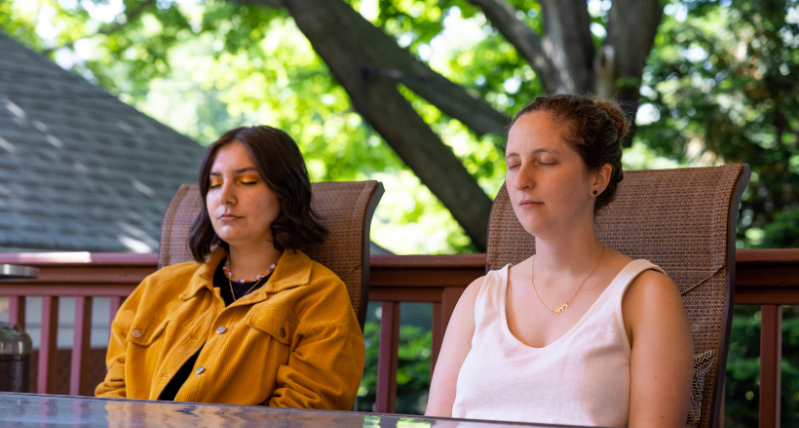
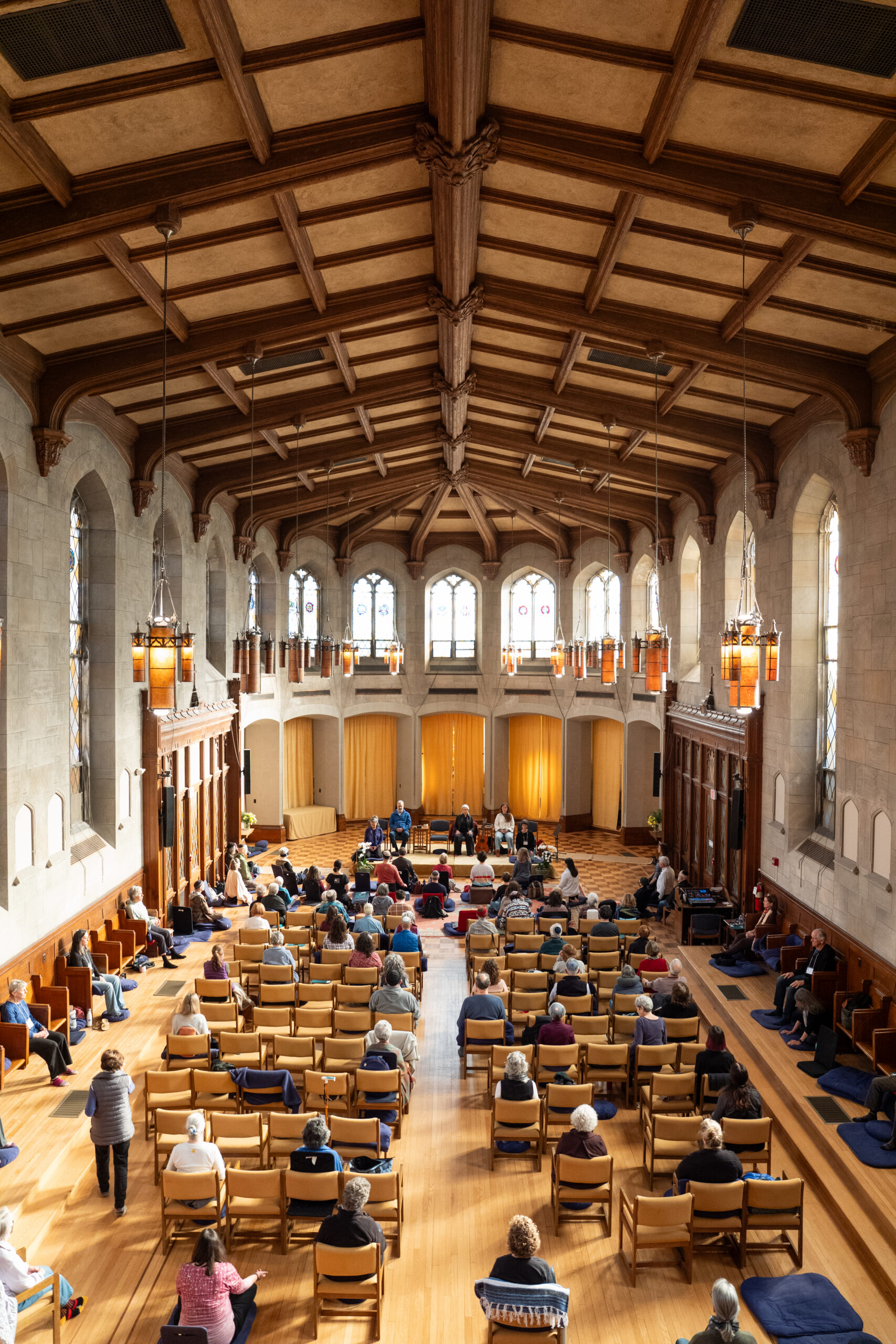
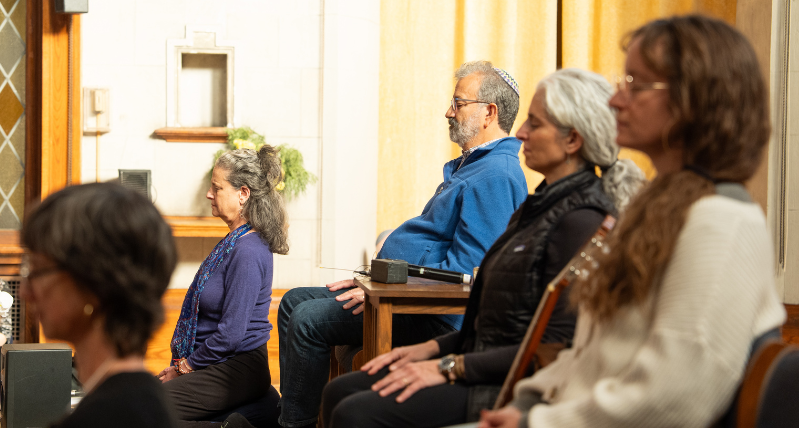
This mostly silent, Jewish mindfulness meditation retreat will be at the serene Garrison Institute in Garrison, NY. Our retreat will be led by IJS faculty and other experienced, beloved instructors. Over five days, we will focus on deepening our practice through silent meditation enhanced with Jewish teachings, meditation instructions, mindful prayer, and yoga/embodied practice. We will use silence as a tool to deepen our sense of calm, safety, and spiritual development, following Rav Shimon Ben Gamliel’s teaching: “I have found nothing better for a person than silence” (Pirkei Avot 1:17).
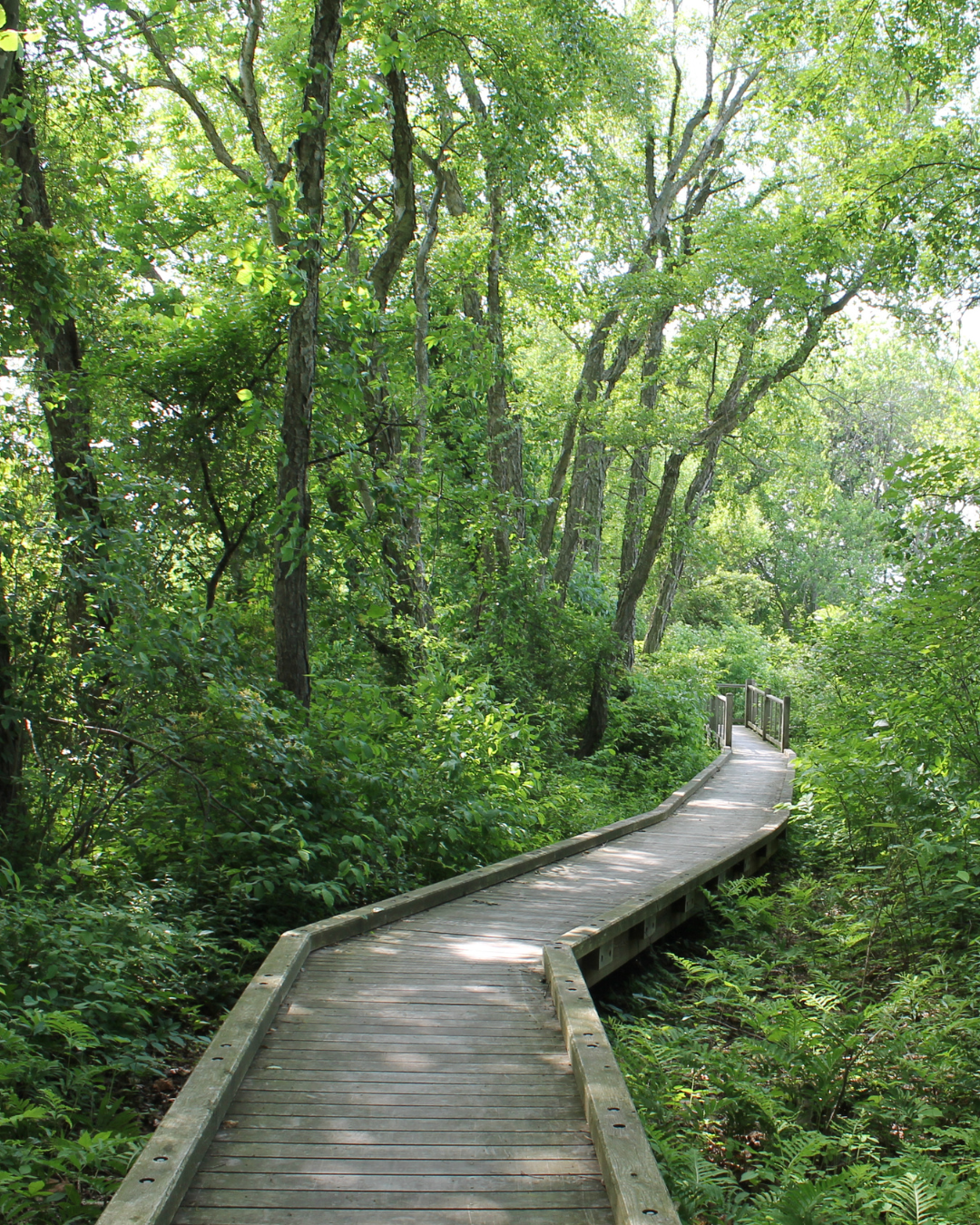
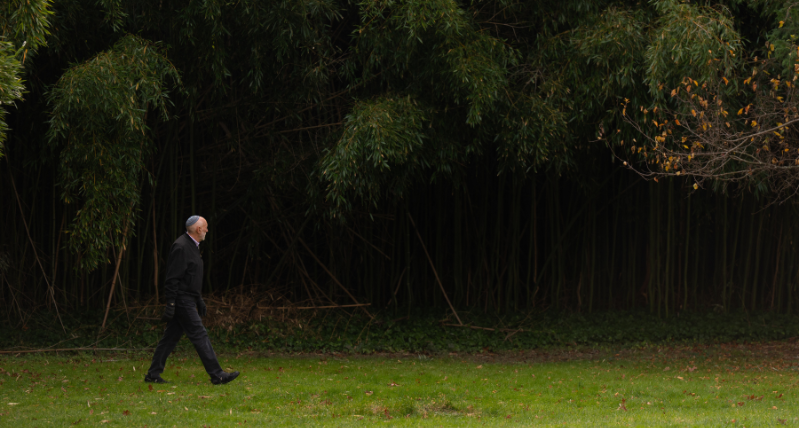
Mornings on retreat will include two tracks — one for those newer to Jewish mindfulness meditation (including those who are new to retreats) and one for those with more experience. These tracks will offer different length meditation periods and tailored instructions. There will also be opportunities to mindfully explore the beautiful grounds and forested trails of the Garrison Institute.
*Please note: Part of the power of retreat at the Garrison Institute comes from its long history as a monastery and practice center. And, this historical building is limited in accessibility. While our meditation and meals will be on the first floor, there is limited accessible housing on the first floor and no elevator to upper floors. Please be in touch with us if you have any questions about accessibility on this retreat.
Our instructors will include Senior Core Faculty Rabbis Jordan Bendat-Appell, Sam Feinsmith, Miriam Margles and Marc Margolius, Program Faculty Cantor Lizzie Shammash, and Core Faculty Rebecca Schisler.
This retreat is open to all participants 18+, and all experience levels. This retreat will be held mostly in social silence, except for opening and closing meals, Q&A, communal prayer, and one-on-one sessions with instructors. See FAQs below for more information.
Retreat Costs and Financial Support
We want to help ensure that the cost of enrollment is not a barrier to participation. A limited amount of financial assistance is available upon request. Please request financial support using this form.
Single Room
$2,200
Shared Double
$1,800
Single for Health Reasons
$1,800
Commuter
$900
Registration Lottery
This year, we will be admitting registrants to the retreat using a lottery system. Last year’s retreat filled up quickly, catching many potential registrants off-guard. Although ultimately almost everyone who wished to attend was able to, we felt adjustments would be beneficial.
We are changing to a lottery this year to help decrease anxiety around registration and to allow sufficient time to register for those new to IJS or to this retreat. A registration lottery also enables IJS to distribute our limited financial support more equitably to those requiring it in order to attend.
We will inform everyone who signs up if they are able to attend the retreat by Friday, August 21, 2026. More details on the registration process can be found on the registration page.
Sample Daily Schedule
6:45 Sitting Meditation (or personal prayer)
7:15 Shacharit / Morning Prayers / Chanting
8:15 Breakfast
9:15 Tracks 1 and 2: Meditation with Instruction
12:00 Lunch
1:45 Sitting Meditation
2:15 Walking Meditation
3:00 Q&A and Sitting Meditation
3:45 Yoga, Embodied Practice or Outdoor Walk
5:00 Sitting Meditation / Mincha / Afternoon Prayers
5:30 Dinner
7:00 Evening Teaching
8:00 Walking Meditation
8:30 Sitting Meditation and Ma’ariv / Evening Prayers
Frequently Asked Questions
Is this retreat for me?
This retreat is open to beginner and more advanced students alike. We will have two tracks for the morning practice to help support both of these groups. If you have never meditated on a retreat before, you are welcome! Our practice guidance will be both accessible and deep.
We also strive to make this retreat inclusive for all bodies through ensuring the availability of gender neutral bathrooms and chairs without arms. Please note below information about accessible housing. If there are additional ways that we can support your sense of belonging during this retreat, please reach out to us.
Meditation is contra-indicated to some mental health conditions. If you are not sure whether retreat is right for you at this time, please contact us at support@jewishspirituality.org.
How is silence practiced on this retreat?
Shortly after our opening program and dinner on the first day, we will enter into what we call “social silence.” We see this as a warm, loving silence, in the presence of others, that helps us be more fully present. This silence will continue until the closing program of the retreat.
We are inviting you to not speak with other participants, check your phone/email, or otherwise “exit” the silence for the duration of each day. This enables you to slow down, sink deeply into the practices, and truly “re-source” yourself in the spaciousness of the silence.
You will have the chance to ask questions of the faculty after instructional periods, in small groups, and during designated Q&A periods throughout the day. We will also be chanting and singing/praying together each day.
How will we be observing Jewish tradition?
Our retreat is deeply rooted in Jewish tradition, and you are welcome to participate regardless of your background. All Hebrew terms will be translated and explained. Our Jewish practice will be egalitarian and contemplative, and will include singing, prayer, and embodied practice.
We will be engaging in prayer as a full group, and there will be time built into the schedule for participants to engage in their personal prayer practice as well. There will be an opportunity to say the Mourner’s Kaddish three times every day.
Our retreat will be kosher, according to IJS Kashrut Standards.
Food on Retreat
A sensory highlight of this retreat will be the healthy and delicious gourmet food served by the Garrison Institute. Our menu will be vegetarian — with vegan, dairy, and fish options. We will be kashering the Garrison kitchen and working with their kitchen team to offer kosher food according to IJS Kashrut Standards. When registering, you will have the opportunity to let us know about any dietary restrictions you may have.
Accessibility & Accommodations
- Wheelchair/Scooter Access: First floor rooms are accessible, including dining and meeting spaces. The building entry is via a ramp at the main entrance. The dining hall uses a temporary metal ramp to bypass a few entrance stairs.
- ADA-Compliant Rooms: There are two double ADA-compliant wheelchair accessible rooms and one single ADA-compliant wheelchair accessible room on the first floor with a semi-private shared ADA-compliant bathroom between them.
- Bathroom for Accessible Rooms: The three ADA-compliant wheelchair accessible rooms share one semi-private bathroom (single toilet and shower stall). Private signage prevents other guests from using it.
Retreat Faculty
Rabbi Jordan Bendat-Appell
Rabbi Jordan Bendat-Appell is Senior Core Faculty at the Institute for Jewish Spirituality (IJS), where he teaches Jewish mindfulness and text and directs cohort and retreat programs. Jordan began working for IJS as rabbinical student intern in 2005, and was on staff from 2011-2017, as a teacher of Jewish Mindfulness, leading retreats, and as Director of the Jewish Mindfulness Meditation Teacher Training. Jordan also taught meditation to rabbis and cantors through IJS’ Clergy Leadership Program.
Currently at IJS, Jordan focuses on teaching Jewish mindfulness and text, planning and directing retreats, and leading the development of a new training program for advanced teachers of Jewish mindfulness.Jordan will also continue to share his expertise through online courses and on retreats, fostering mindful engagement with Jewish wisdom and tradition.
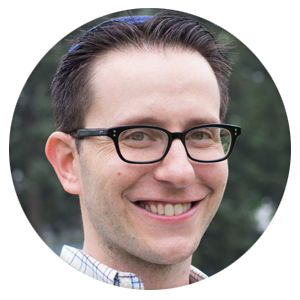
Rabbi Sam Feinsmith
As Senior Core Faculty at the Institute for Jewish Spirituality Sam directs the IJS Clergy Leadership Program and serves on the faculty of Gates of Awareness, a training program for aspiring teachers of Jewish mindfulness meditation. He is one of two lead teachers for our online course on the fundamentals of Jewish mindfulness meditation, The Gift of Awareness, and has written the IJS year-long Hasidic text study offering for a number of years running. After close to fifteen years teaching contemplative practices grounded in mindfulness to teens and educators, Sam originally came on board at IJS to develop and direct the Educating for a Jewish Spiritual Life Program, which brought these practices to hundreds of Jewish day- and religious-school educators and their students.

Rabbi Miriam Margles
Miriam has a long and rich association with IJS, having taught on various retreats and programs over the years. She joins the Institute as a Senior Core Faculty after over a decade as the rabbi of the Danforth Jewish Circle in Toronto. She is a graduate of the Reconstructionist Rabbinical College, an alumna of the Wexner Graduate Fellowship and the Jerusalem Fellows at the Mandel Leadership Institute. Miriam as a founding faculty member at the Romemu Yeshiva, serving as a fellow with the Rising Song Institute, co-founding Encounter – the award-winning educational program working toward informed, courageous and resilient Jewish leadership on the Israeli-Palestinian conflict, and recording her original Jewish music with the Hadar Rising Song ensemble.
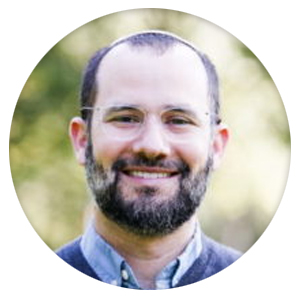
Rabbi Marc Margolius
Previously, Marc served as rabbi at West End Synagogue in Manhattan and Congregation Beth Am Israel in Penn Valley, PA, where he pioneered a Shabbat-centered model of congregational engagement. He developed and led the Legacy Heritage Innovation Project at the Legacy Heritage Fund from 2005-2010, an initiative to promote systemic educational change in congregations around the globe.
Long active in social justice activism, Marc is a graduate of the Reconstructionist Rabbinical College and of Yale Law School and lives in New York City.
Cantor Lizzie Shammash
Cantor Lizzie Shammash’s first career as an opera singer brought her to Iyengar and Kripalu Yoga studies. She completed teacher training at Om Yoga with Cyndi Lee and continued her studies in pranayama, restorative and prenatal yoga. After graduating from Jewish Theological Seminary, Lizzie’s love of yoga and Judaism found their authentic fusion through studies with the Institute for Jewish Spirituality where she currently serves as a faculty member teaching yoga and mindfulness to rabbis and cantors. She leads yoga and contemplative prayer inspired by the Jewish calendar nationally for synagogue communities. Lizzie is passionate about helping others bring Judaism into the body, voice, and heart—through both methodical and creative embodied practice—and she lives in Philadelphia, where she has served two congregations.
Rebecca Schisler
Rebecca is a core faculty member at IJS, where she directs young adult programming and created and steers the Shevet Jewish Mindfulness Community, a space for folks in or near their twenties and thirties to dive deep into Jewish spirituality and mindfulness practice in online and virtual spaces. Additionally, she creates and curates content for IJS social media and frequently teaches on retreats and multi-week online programs.
Rebecca is honored to serve on this faculty after years of leading groups and teaching classes and retreats with Or HaLev, Pardes, Wilderness Torah, Stanford School of Medicine, Hillel at Stanford, Urban Adamah, Hamakom, and the Awakened Heart Project. A student rabbi at ALEPH, Rebecca is passionate about integrating ancestral wisdom traditions with innovative approaches to personal and collective healing and liberation. She teaches Jewish spirituality as an embodied, holistic, and accessible path, with relevant and timely wisdom for all.